
Unraveling the psychology behind casino gaming habits
The Allure of Risk and Reward
The psychology of gambling often hinges on the allure of risk and reward, which plays a critical role in driving individuals toward casino gaming, including options like nz online casino , where this dynamic is rooted in the thrill associated with taking risks, where the potential for a significant payout creates an intoxicating experience. The rush experienced during a gamble can trigger the brain’s reward system, releasing dopamine and reinforcing the desire to play again. This cycle of risk-taking and reward can become highly addictive, drawing players back for more with the promise of winning.
Moreover, the design and atmosphere of casinos are meticulously crafted to enhance this allure. Bright lights, vibrant colors, and enticing sounds all contribute to an immersive environment that captivates players. These sensory elements stimulate excitement, making it easier for individuals to lose track of time and money. The strategic placement of games and the absence of clocks or windows further amplify this effect, creating a bubble where the player feels compelled to continue gambling in hopes of hitting the jackpot.
Understanding the psychological pull of risk and reward can help illuminate why so many individuals are drawn to gaming establishments. The pleasure derived from the act of gambling is often heightened by social interactions with fellow players, further solidifying its appeal. This unique combination of individual thrill and social engagement fosters an environment where gaming habits can flourish, leading to frequent visits and prolonged play as individuals chase that next big win.
Escapism and Emotional Satisfaction
For many, casino gaming offers a form of escapism, providing a temporary reprieve from everyday stressors and responsibilities. This psychological phenomenon underscores the idea that players often turn to gambling as a way to cope with life’s challenges. By immersing themselves in the vibrant atmosphere of a casino, individuals can momentarily forget their problems, which can be incredibly appealing during difficult times. This form of distraction can lead players to gamble more frequently, as they seek solace in the excitement of the game.
Furthermore, the emotional satisfaction derived from gaming cannot be overlooked. Winning, even in small amounts, can foster feelings of happiness and accomplishment, reinforcing the desire to continue playing. Conversely, losses can lead to feelings of frustration or disappointment, prompting some to chase their losses in hope of recouping lost funds. This emotional rollercoaster can create a cycle of behavior that encourages extended gambling sessions, as players oscillate between highs of winning and lows of losing.

The connection between gaming and emotional states is complex and multifaceted. While some players utilize gambling as a temporary escape, others may unintentionally develop unhealthy habits that contribute to financial and emotional strain. Awareness of this psychological aspect is crucial for both players and their loved ones, as recognizing the motives behind gaming habits can help individuals make more informed decisions about their gambling experiences.
The Role of Cognitive Biases
Cognitive biases significantly influence gambling behavior, often leading players to make irrational decisions based on faulty perceptions. One prominent example is the gambler’s fallacy, which is the belief that past outcomes can affect future results. For instance, a player may believe that if a particular slot machine has not paid out recently, it is “due” for a win. This misconception can drive individuals to continue playing with the hope that winning is imminent, despite the randomness of most games.
Another common bias is the illusion of control, where players mistakenly believe they can influence the outcome of a game through skill or strategy. This belief is particularly strong in games that involve an element of skill, such as poker or blackjack. Players may feel empowered by their ability to make decisions, leading them to underestimate the inherent house edge and the probability of losing. Such biases can contribute to prolonged gaming sessions and increased spending, as individuals remain confident in their perceived abilities.
Recognizing these cognitive biases is essential for both players and industry stakeholders. By understanding how these biases operate, individuals can take steps to mitigate their effect, improving their overall gambling experience. For instance, players can benefit from setting limits on their gaming sessions and being more mindful of their decision-making processes. This heightened awareness can help create healthier gaming habits and encourage a more balanced approach to gambling.
The Impact of Social Influences
Social influences play a pivotal role in shaping gambling habits, with peer pressure often driving individuals toward casino gaming. Many people are drawn to casinos by friends or family members, where social dynamics can encourage a sense of camaraderie and shared experience. This social aspect can enhance the enjoyment of gambling, making it a popular activity among groups. However, it can also lead to increased frequency of play, as individuals may feel compelled to join in, even when they might prefer not to gamble.
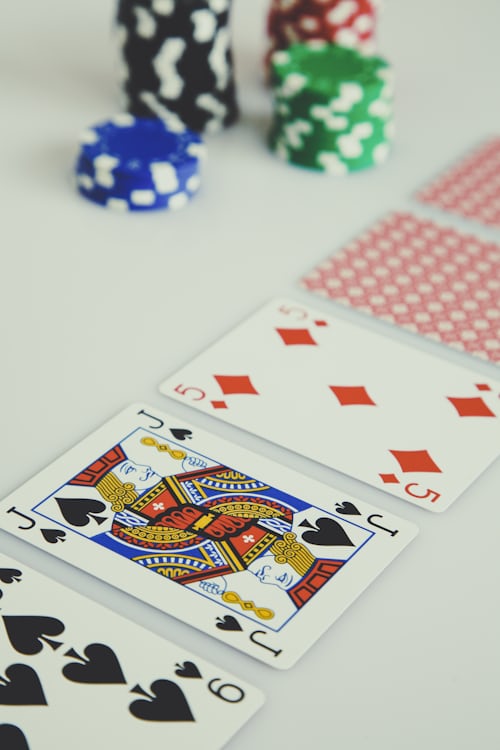
Additionally, the portrayal of gambling in popular culture, including movies and television shows, can further normalize and glamorize casino gaming. This media representation often emphasizes the excitement and luxury associated with gambling, making it appear more appealing and acceptable. As a result, individuals may be more likely to develop gambling habits, influenced by the belief that they can achieve similar success or lifestyle portrayed in these narratives. This can create a potentially dangerous disconnect between reality and fiction, contributing to unrealistic expectations.
Ultimately, understanding the social dynamics surrounding gambling is essential for both players and educators in the industry. By emphasizing responsible gaming practices and fostering open conversations about the influence of peers and media, individuals can make more informed choices. Recognizing that social factors can heavily impact gambling habits allows for a more comprehensive approach to promoting healthier gaming experiences.
Exploring Responsible Gaming Options
As the complexities of gambling psychology unfold, it becomes increasingly important to highlight responsible gaming options available to players. Many gaming establishments today are implementing measures to promote responsible behavior, such as setting limits on deposits or gaming time. These initiatives aim to empower individuals to make informed choices and recognize when it may be time to step away from the tables or machines.
In addition to traditional measures, numerous resources exist to assist individuals in managing their gambling habits. Support groups, counseling services, and educational materials can provide players with the tools they need to understand their behaviors and make healthier choices. By fostering a culture of awareness and support, the gaming industry can help mitigate the negative consequences that may arise from problem gambling.
Ultimately, promoting responsible gaming is a shared responsibility among players, operators, and society at large. By raising awareness about the psychological aspects of gaming habits, individuals can better navigate their experiences in casinos. Emphasizing the importance of moderation and the availability of support resources can help ensure that the excitement of gaming remains a fun and engaging activity without crossing the line into harmful behavior.